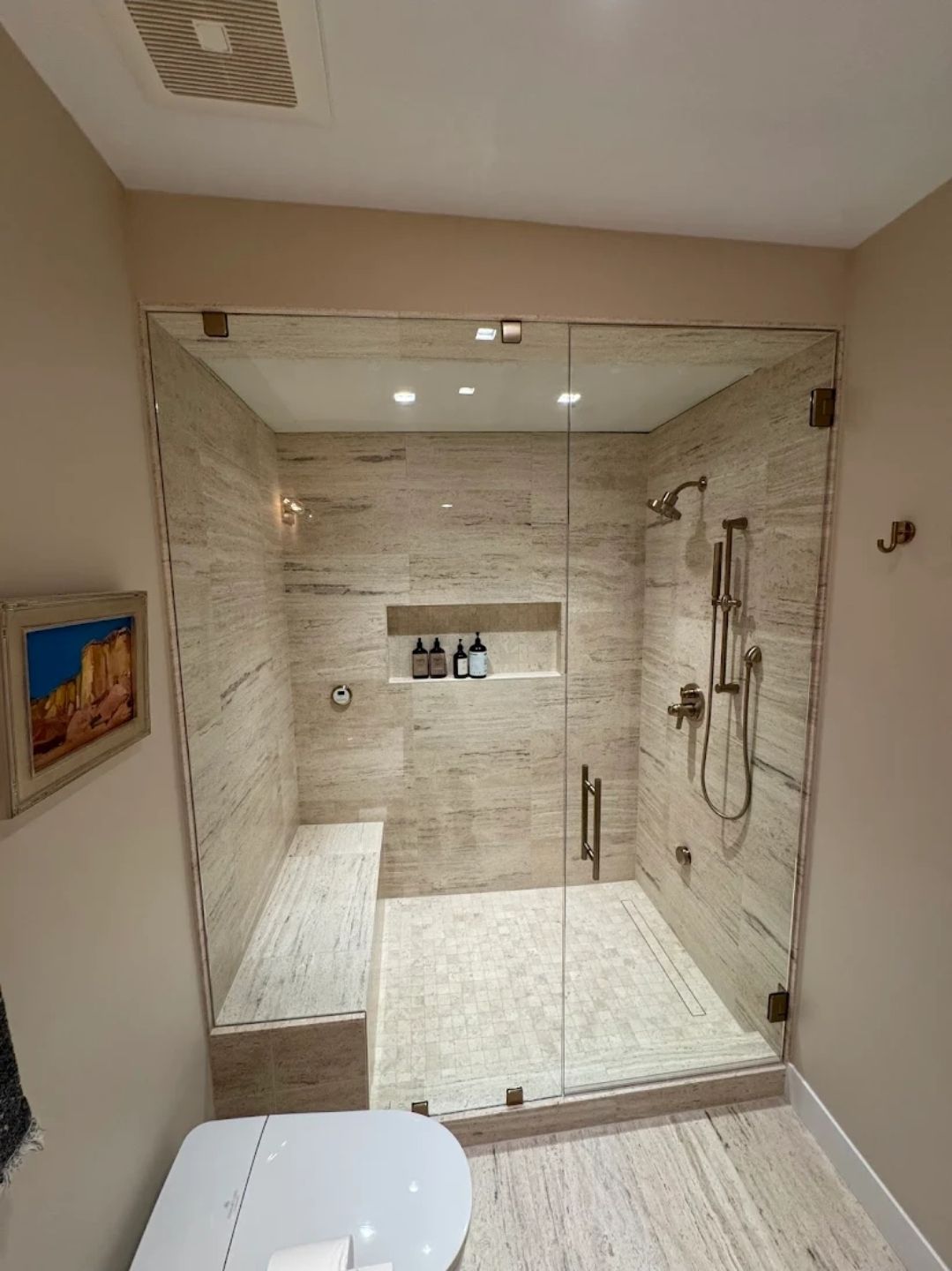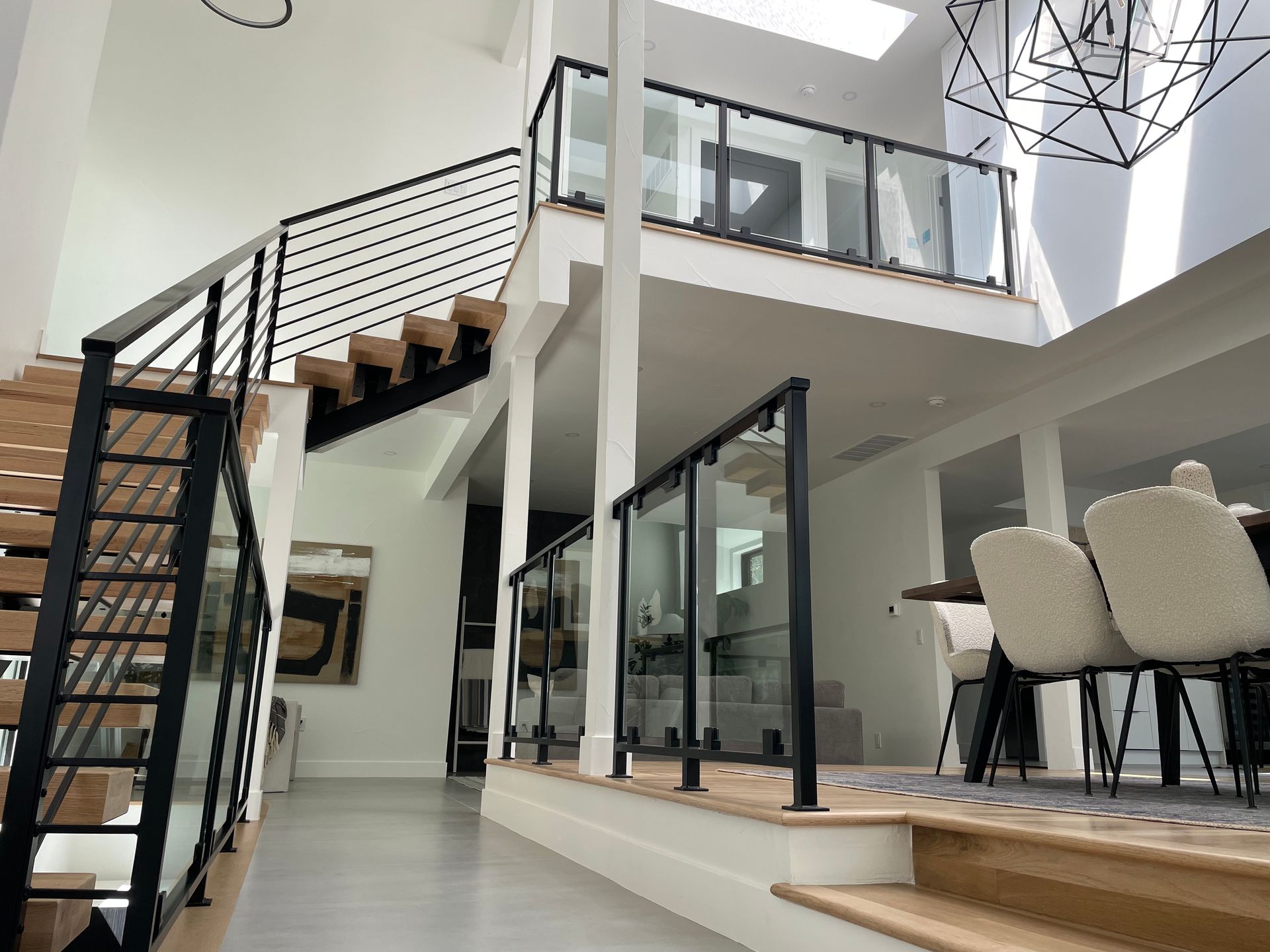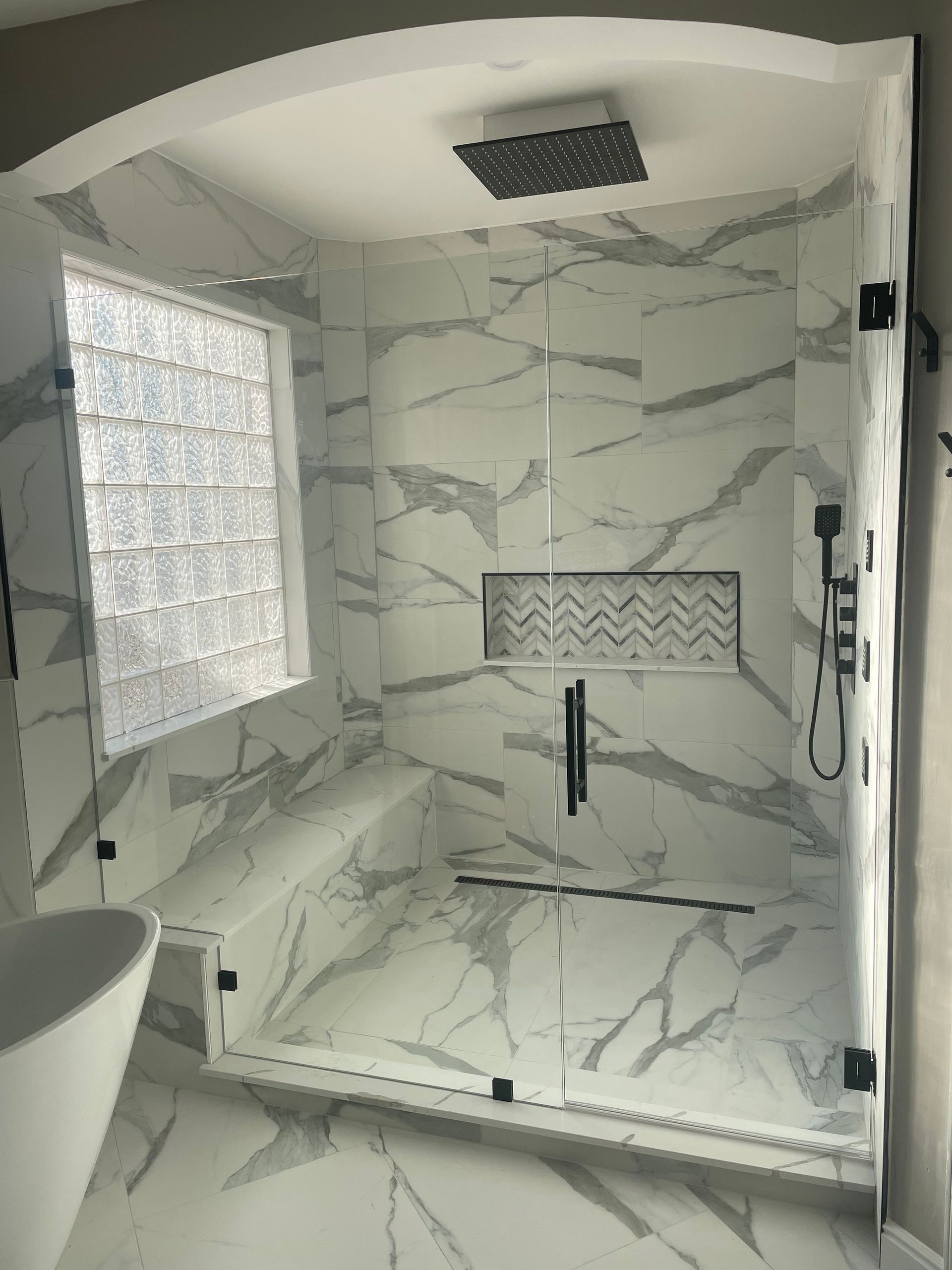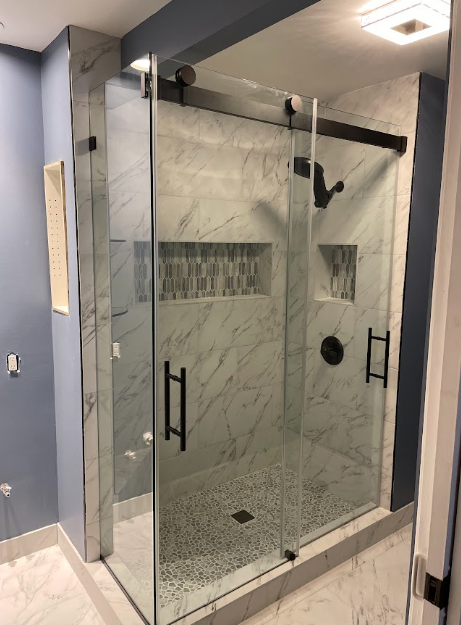
Custom Frameless Showers: Every Option You Can Choose (And Why It Matters)
Your no nonsense guide to glass styles, door types, hardware finishes, and layout choices
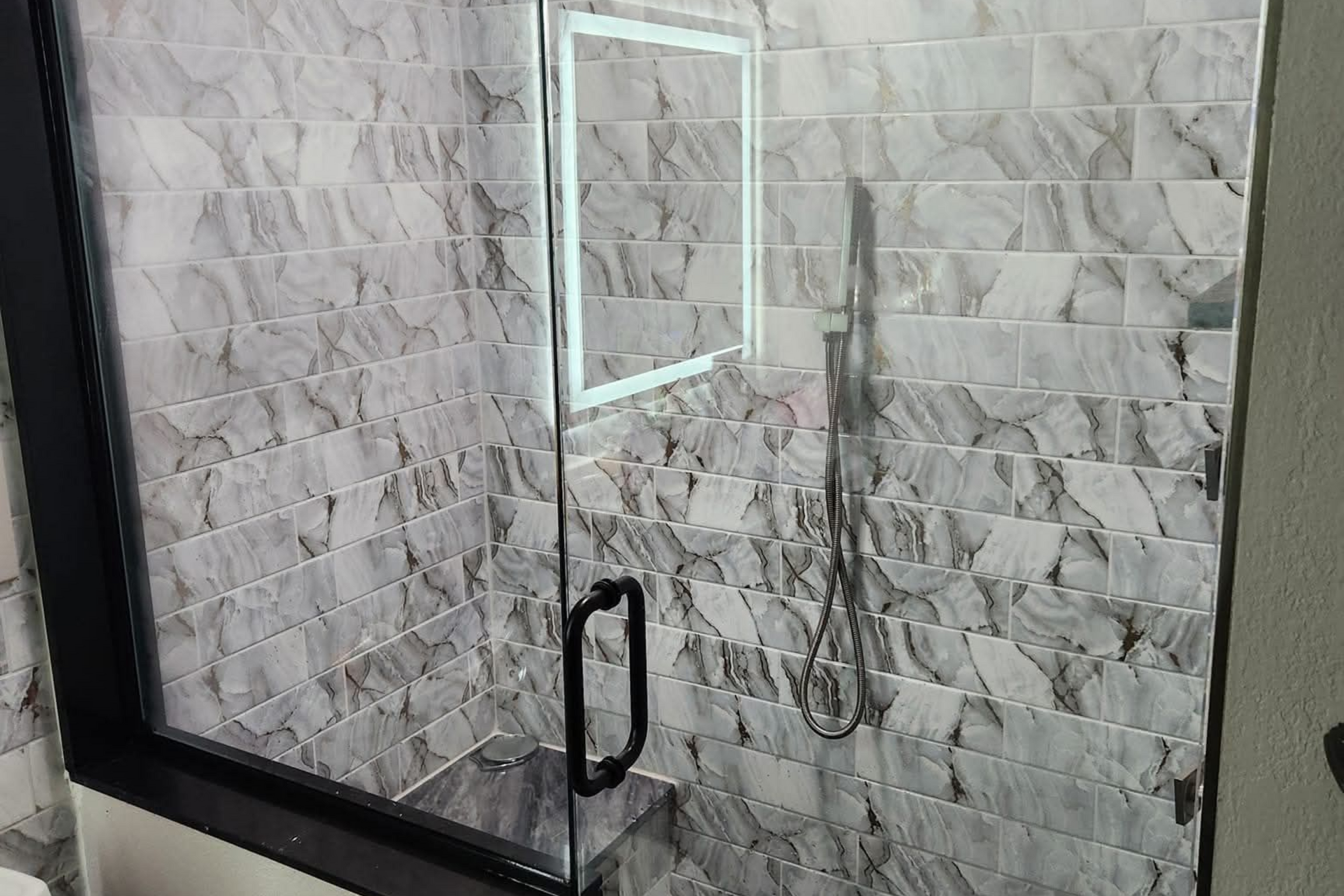
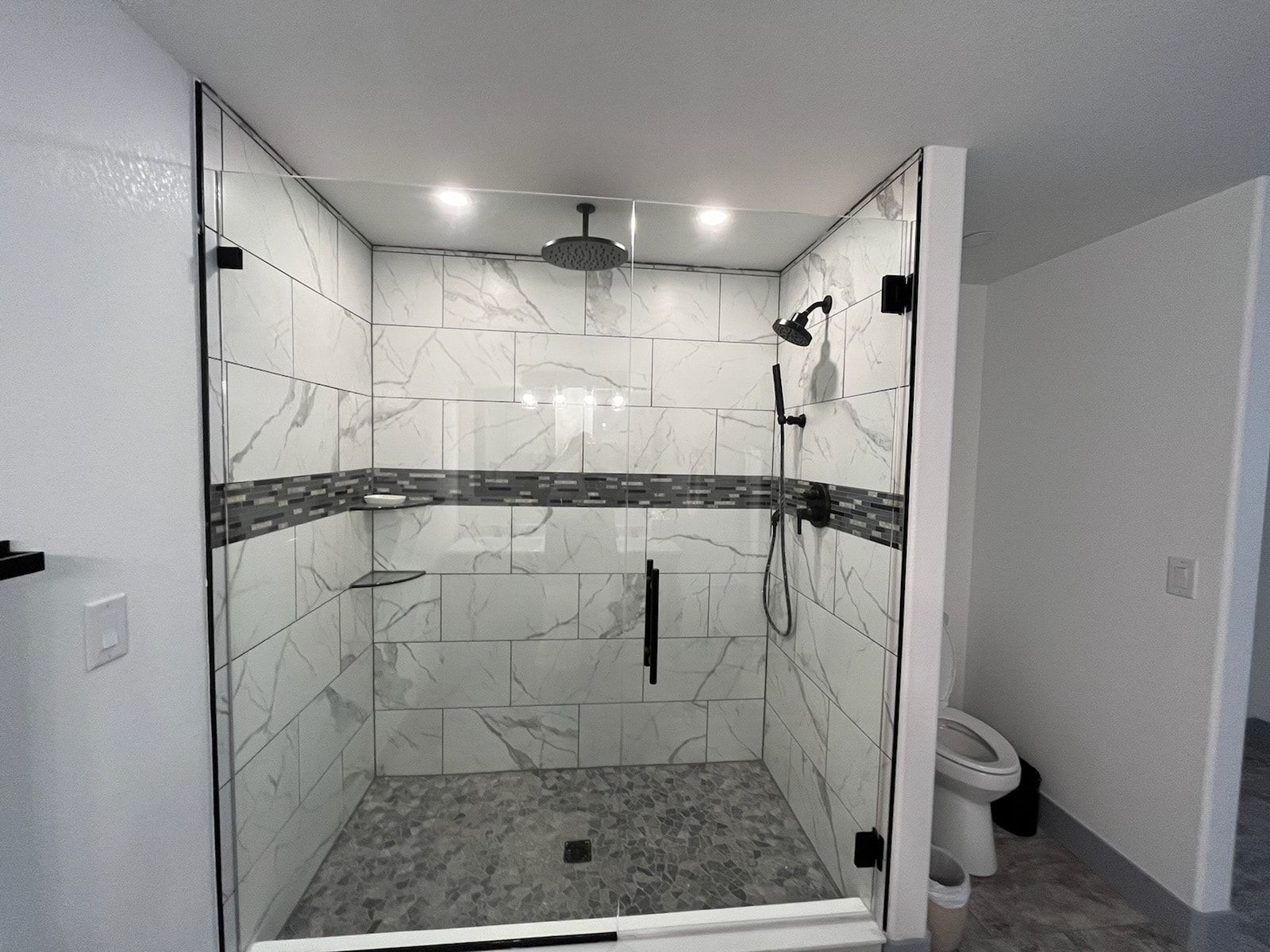
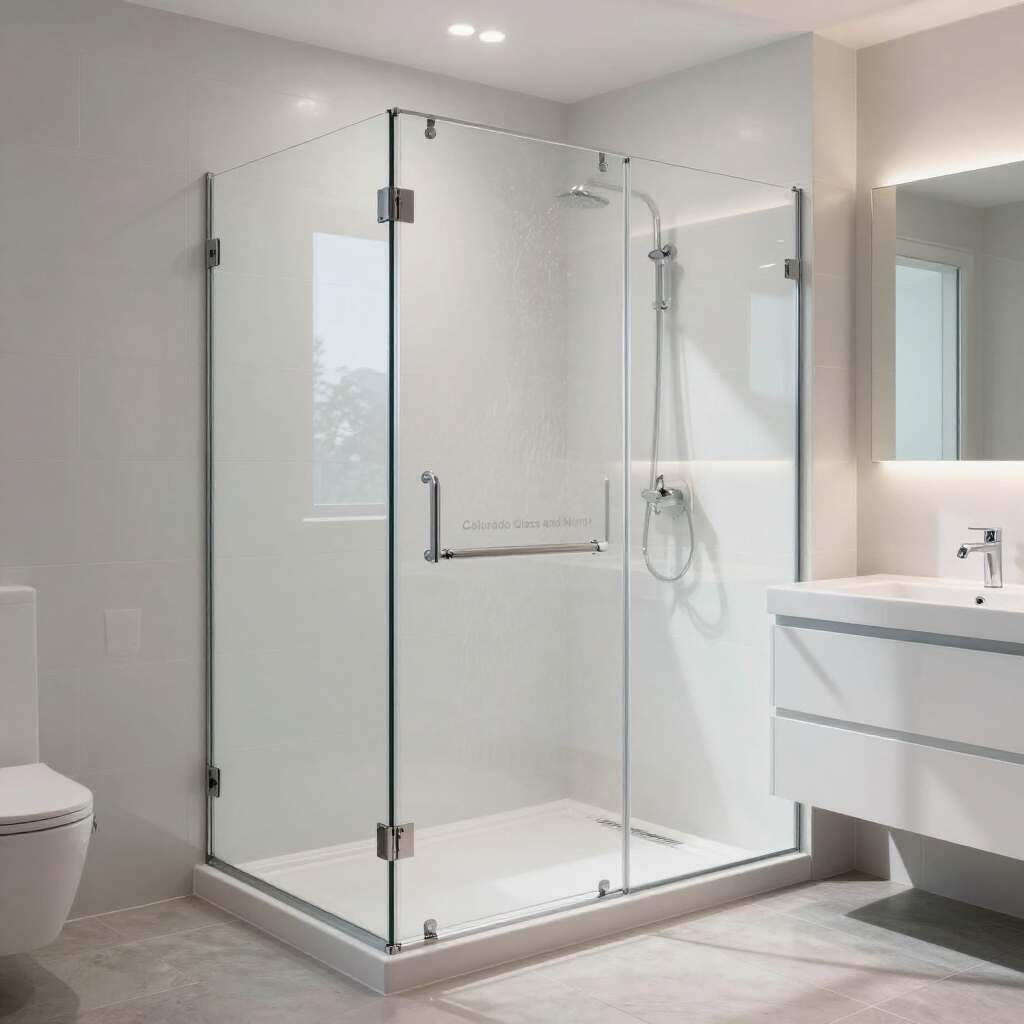
A custom frameless shower is one of the cleanest, most practical ways to finish a bathroom. No bulky frame. No rattling doors. Just heavy, tempered glass cut to your exact opening, paired with the right hardware so it looks sharp and works the way it should.
If you’re in the Denver Metro area and you’re comparing styles, layouts, and finishes, here’s a straightforward breakdown of the most common custom frameless shower options and how to pick the right setup for your space.
Colorado Glass And Mirror Month…
What makes a frameless shower “custom”
“Custom” means the glass is made to fit your exact tile, curb, and ceiling conditions, not a standard kit size. That matters because most bathrooms aren’t perfectly square, and even a small out of plumb wall can change the way a door swings, seals, and holds alignment long term.
A proper custom build accounts for:
- Wall plumb and tile variations
- Curb width and level
- Shower head placement and spray direction
- Door swing clearance
- Stable mounting points for hinges and clamps
Option 1: Choose your shower layout
Your layout drives almost everything else: glass thickness, support style, where the door can go, and how well it manages water.
Inline shower (straight wall)
One glass wall with a door panel, usually for alcoves.
- Clean look
- Great for smaller bathrooms
- Often the most efficient use of glass
Corner shower (90 degree)
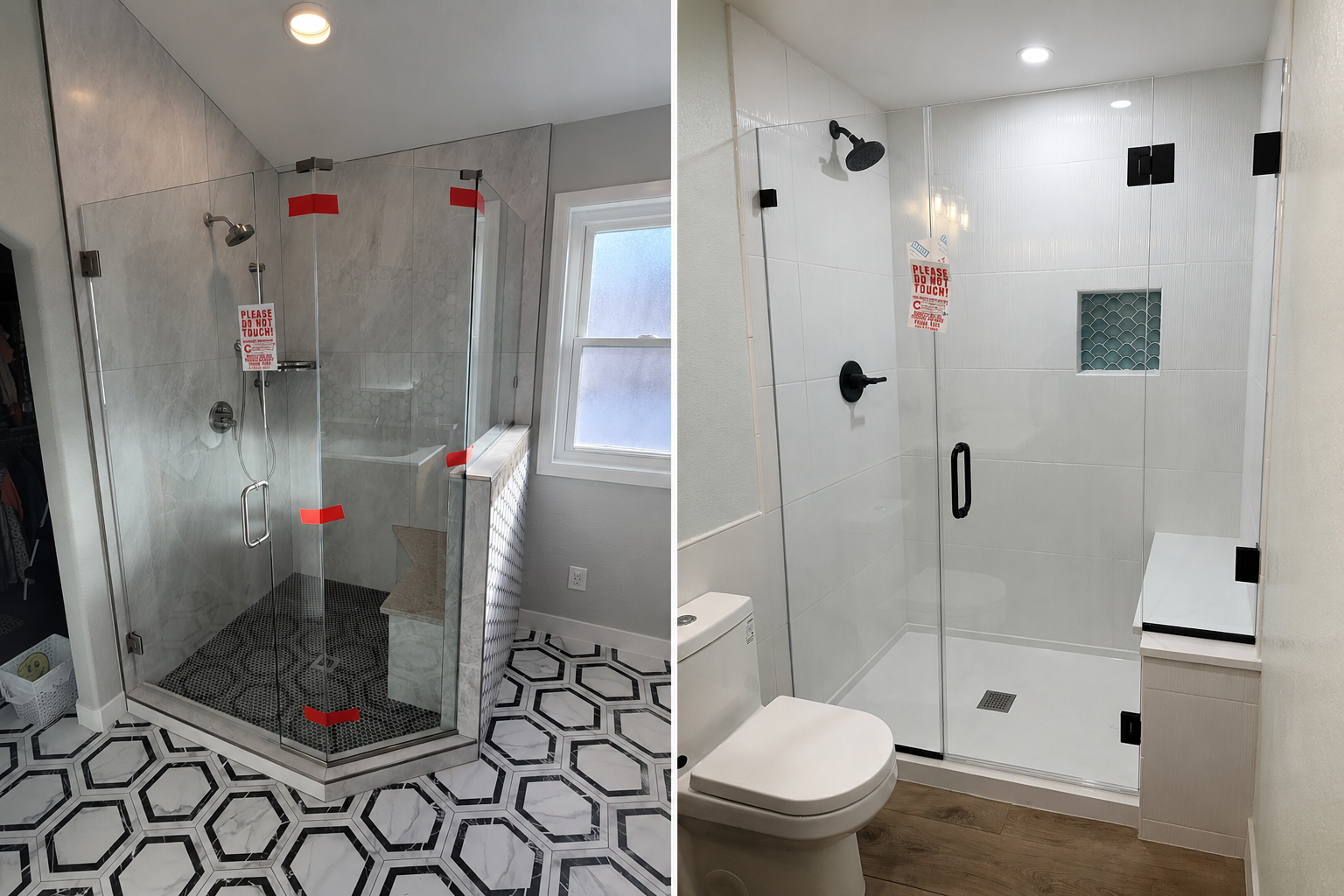
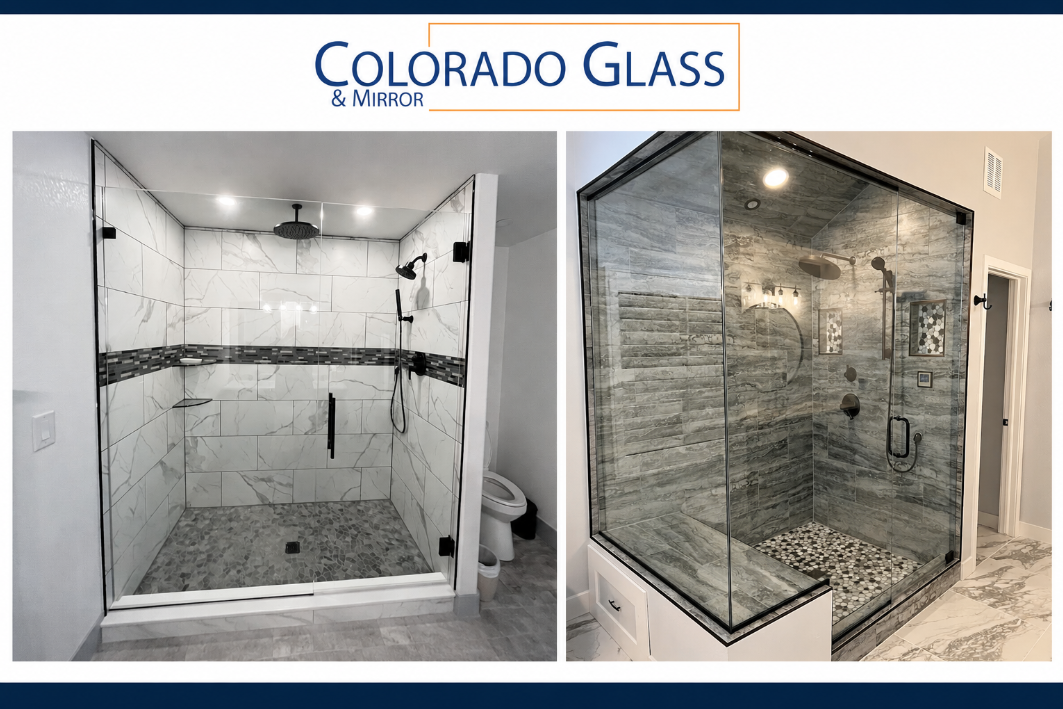
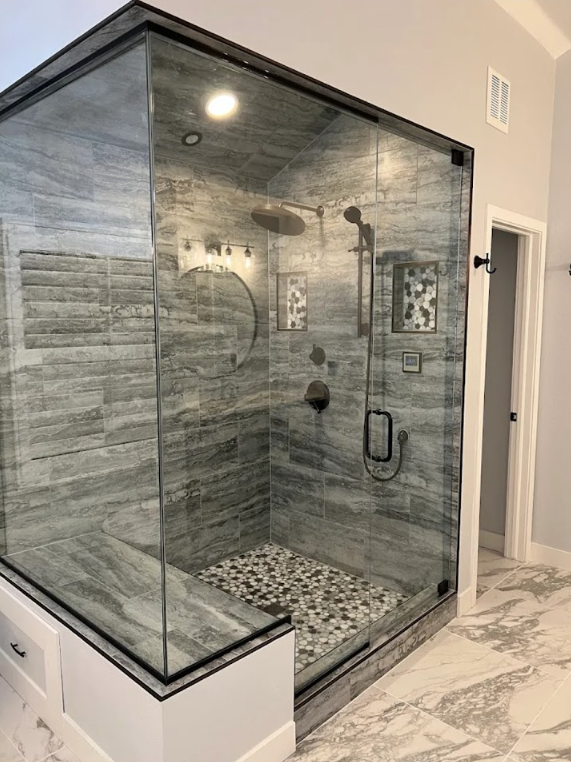
Two glass panels meet at a corner with a door on one side.
- Popular for master baths
- Strong “open” feel
- Lots of flexibility on door placement
Neo-angle shower
Angled front with 3 panels (common when space is tight).
- Makes tight corners usable
- More seams than other layouts
- Hardware alignment matters a lot here
Walk-in shower with fixed panel
A fixed panel with an open entry (sometimes with a small return panel).
- Easy entry and exit
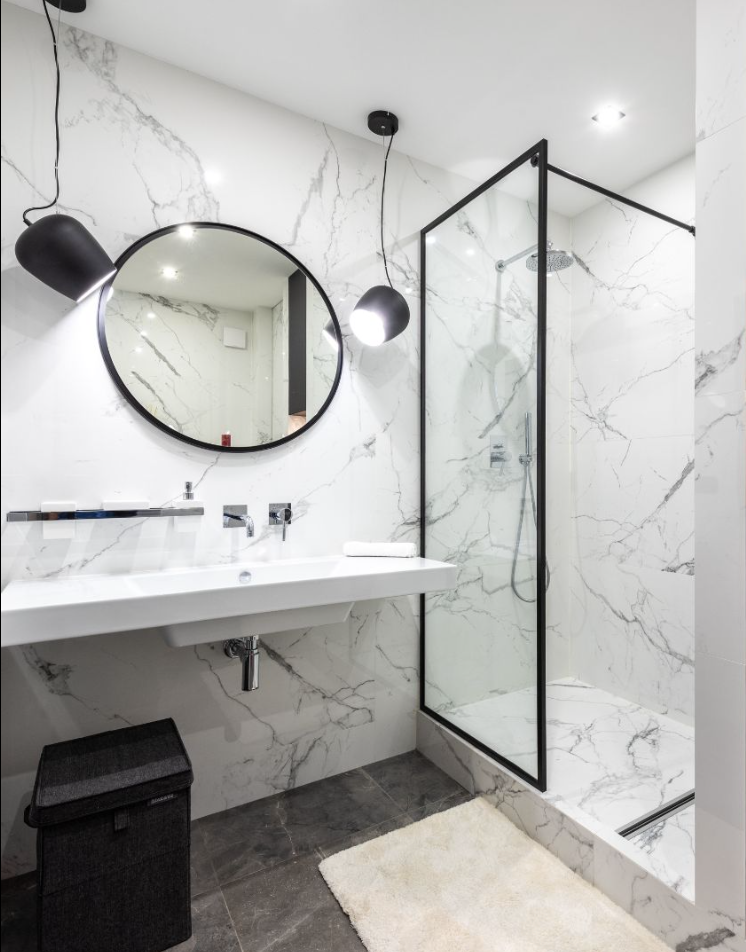
- Modern, minimal look
- Works best with good drain placement and spray direction control
Tub glass panel or tub enclosure
A single panel, a hinged door, or a sliding setup.
- Cleaner than a curtain
- Helps keep water in the tub zone
- Great for hall baths
Steam shower ready
Frameless can be built for steam, but it must be designed differently.
- Requires a tight seal strategy
- Often includes a transom or full-height glass
- Hardware and clearances must be planned carefully
Option 2: Pick the door style that fits how you actually use the shower
Hinged swing door (most common)
A solid choice for daily use.
- Can swing out, in, or both (depending on layout)
- Strong, reliable feel
- Best sealing options when planned right
Pivot door
Similar to hinged, but rotates on top and bottom pivots.
- Can handle larger, heavier doors
- Needs the right curb and floor conditions
- Great for wider openings
Sliding frameless door
Good when you don’t have clearance for a swing door.
- Ideal for tighter bathrooms
- Modern look, easy access
- Uses rollers and a track system designed for heavy glass
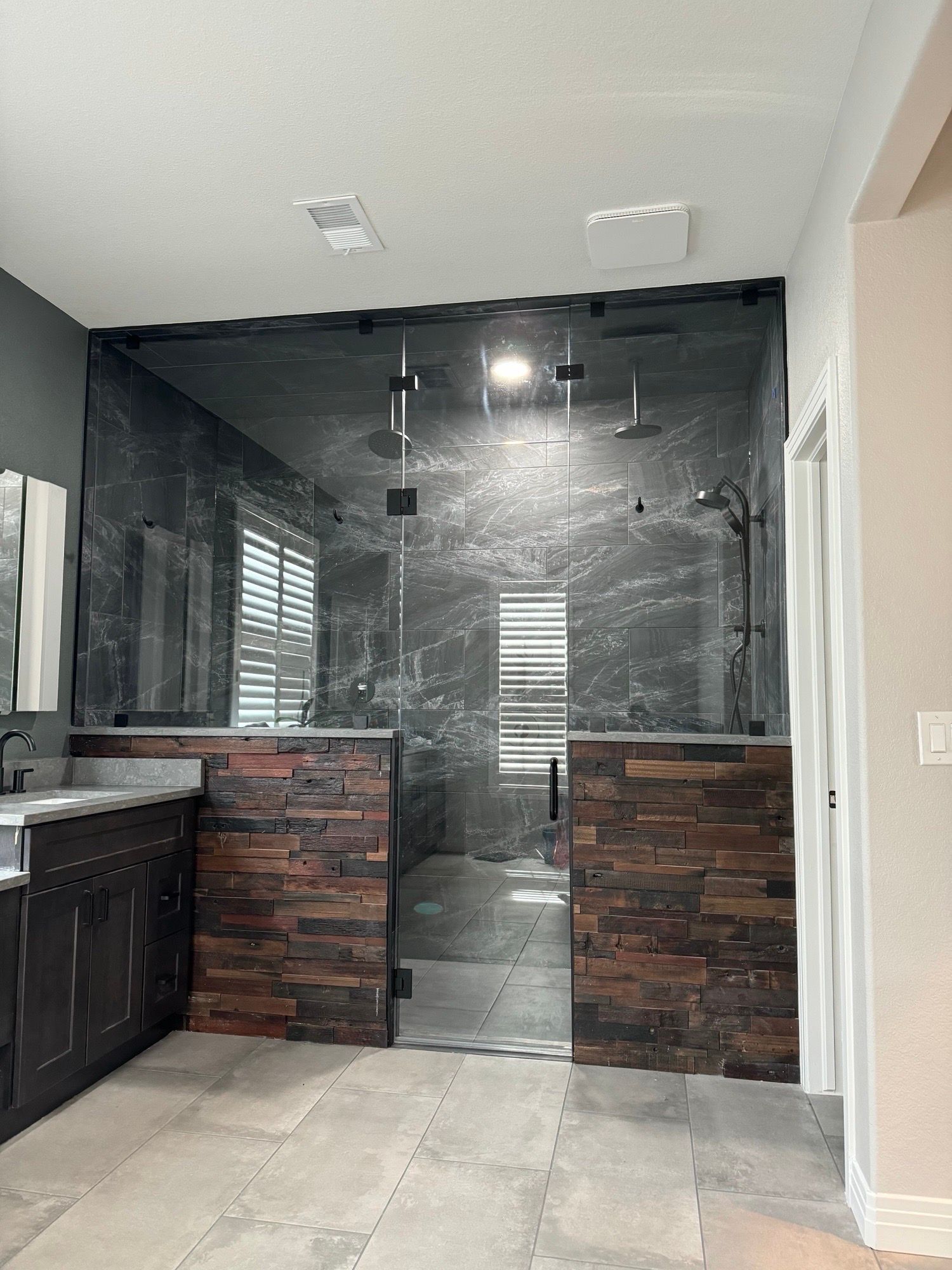
Door plus fixed panel (door-and-panel set)
Common for larger openings.
- Keeps the door size manageable
- Adds stability
- Looks clean and balanced
Option 3: Glass type and thickness
Thickness
Most frameless showers use heavier tempered glass for rigidity and a solid feel.
- Thicker glass feels sturdier and tends to flex less
- Door size, hinge type, and span length influence what’s appropriate
Clear vs low-iron (ultra clear)
- Clear glass can show a slight green edge, especially on thicker panels
- Low-iron glass reduces that green tint for a crisper, brighter look (especially noticeable with white tile)
Privacy options
If you want privacy without losing light, you’ve got options:
- Frosted or acid-etched
- Patterned textures (reeded, rain, etc.)
- Partial frosting or decorative banding
- Custom etching (logos, simple designs, subtle patterns)
Protective coatings
Many clients choose a protective coating to reduce spotting and make cleaning easier.
- Helps resist hard water marks
- Cuts down cleaning time
- Still needs basic upkeep, just less scrubbing
Option 4: Hardware style and finish
Hardware is where you match the shower to the rest of your bathroom (faucets, lights, cabinet pulls).
Common finishes
- Chrome
- Brushed nickel
- Matte black
- Oil rubbed bronze
- Brushed gold or champagne tones (varies by brand)
Mounting style
- Clips and clamps: clean, minimal look
- U-channel: sleek, more continuous support line along the glass edge
- Header bar (support bar): used when the span is longer and needs extra rigidity
Handle options
- Ladder pulls
- Square or round knobs
- Back-to-back handles
- Towel bar handles (popular in master baths)
Option 5: Seals, sweeps, and keeping water where it belongs
A frameless shower can be very effective at water control when it’s designed correctly.
Key pieces:
- Bottom sweep (door sweep)
- Side seals (strike jamb seals)
- Thresholds (low-profile water dam options)
- Proper curb slope and drain placement
A lot of “leaky shower” complaints come from layout and spray direction, not the glass itself.
Option 6: Custom details that people love
These are the extras that make the shower feel finished:
- Notches and cutouts for benches, niches, and odd tile returns
- Transoms above doors for taller openings
- Return panels to block spray in walk-in designs
- Matching glass panels for a fixed side window look
- Glass panels paired with a half-wall or pony wall
How the custom frameless shower process works
Here’s the typical process, start to finish.
- Site visit and measurements
Confirm layout, door swing, mounting points, and water control plan. - Design and hardware selection
Choose glass type, thickness, handle style, and finish. - Tempering and fabrication
Glass is made to spec, holes and cutouts are completed, and edges are finished. - Professional installation
Set panels, align the door, install seals, confirm smooth operation, and clean the finish.
Maintenance tips that keep it looking sharp
- Use a squeegee after showers (fastest way to prevent spotting)
- Clean weekly with a non-abrasive cleaner
- Avoid harsh acids and rough scrub pads
- Check and replace sweeps over time as needed
Custom frameless showers in the Denver Metro area
If you’re planning a frameless shower in Denver, Aurora, Lakewood, Arvada, Westminster, Centennial, Littleton, Thornton, Englewood, Wheat Ridge, Golden, Highlands Ranch, Brighton, Longmont, Frederick, Fort Collins, Windsor, Loveland, or Milliken, the main goal is simple: build it to your space so it seals well, feels solid, and looks clean for years.
Custom Frameless Shower FAQs
1) What’s the difference between frameless and semi-frameless?
Frameless uses thicker glass and features minimal hardware, eliminating the need for a surrounding metal frame. Semi-frameless typically uses some framing (often around the perimeter) and may utilize thinner glass.
2) Is frameless shower glass safe?
Yes, when it’s tempered safety glass and installed correctly. Tempered glass is designed to break into small pieces if it ever fails.
3) Can you install frameless glass on a fiberglass or acrylic base?
Often yes, but it depends on the base design, level condition, and whether there’s solid backing for secure mounting. A site check confirms what will work best.
4) What’s better: clips or a U-channel?
Both can be excellent. Clips are more minimal visually. U-channel gives continuous support and can help when walls or tile lines need a cleaner edge.
5) Do frameless shower doors leak?
A well-planned frameless shower should not leak under normal use. Water issues usually come from spray direction, door placement, curb slope, or missing seals.
6) Can I do a frameless shower with a bench or niche?
Yes, Glass can be custom-cut to fit benches, pony walls, and niche returns. Those details need precise measuring and clean layout planning.
7) Is a sliding frameless shower door a good choice?
Yes, especially when you don’t have room for a swing door. Sliding systems are common for tighter bathrooms and can still look very high-end.
8) What is low-iron glass, and is it worth it?
Low-iron glass reduces the green tint you can see on the edges of thicker glass. It’s a popular choice with bright tile or high-end finishes.
9) Can a frameless shower be built for steam?
Yes, but it must be designed for steam with tighter sealing and the right height strategy. Not every frameless layout is steam-ready without adjustments.
10) What should I have ready before getting a quote?
Ideally, tile is installed (or at least final dimensions are set), fixtures are placed, and you know your preferred door style and finish. Photos and rough measurements help get started fast.
Start with the right plan and the right glass. Contact Colorado Glass and Mirror today to schedule measurements and get your custom frameless shower quote.
Glazier Content
About the author
Taylor Ann Hancock is the owner of Glass Mama Marketing, a digital marketing agency dedicated exclusively to glass and glazing companies. With years of hands-on experience working alongside contractors across the country, she specializes in helping glass businesses generate high-quality leads through SEO, Google Business Profile optimization, and AI-driven search strategies. Taylor is known for translating complex marketing tactics into real, measurable growth, helping companies build long-term visibility and predictable revenue in competitive markets like Colorado.

Denver Glass Insider