Full Frame Window Replacement in Aurora, CO: What Changed in 2026 and What It Means for Your Home
How Colorado's new 2026 energy code, the expired federal tax credit, and altitude-rated glass affect your window replacement costs and options in the Denver Metro area.
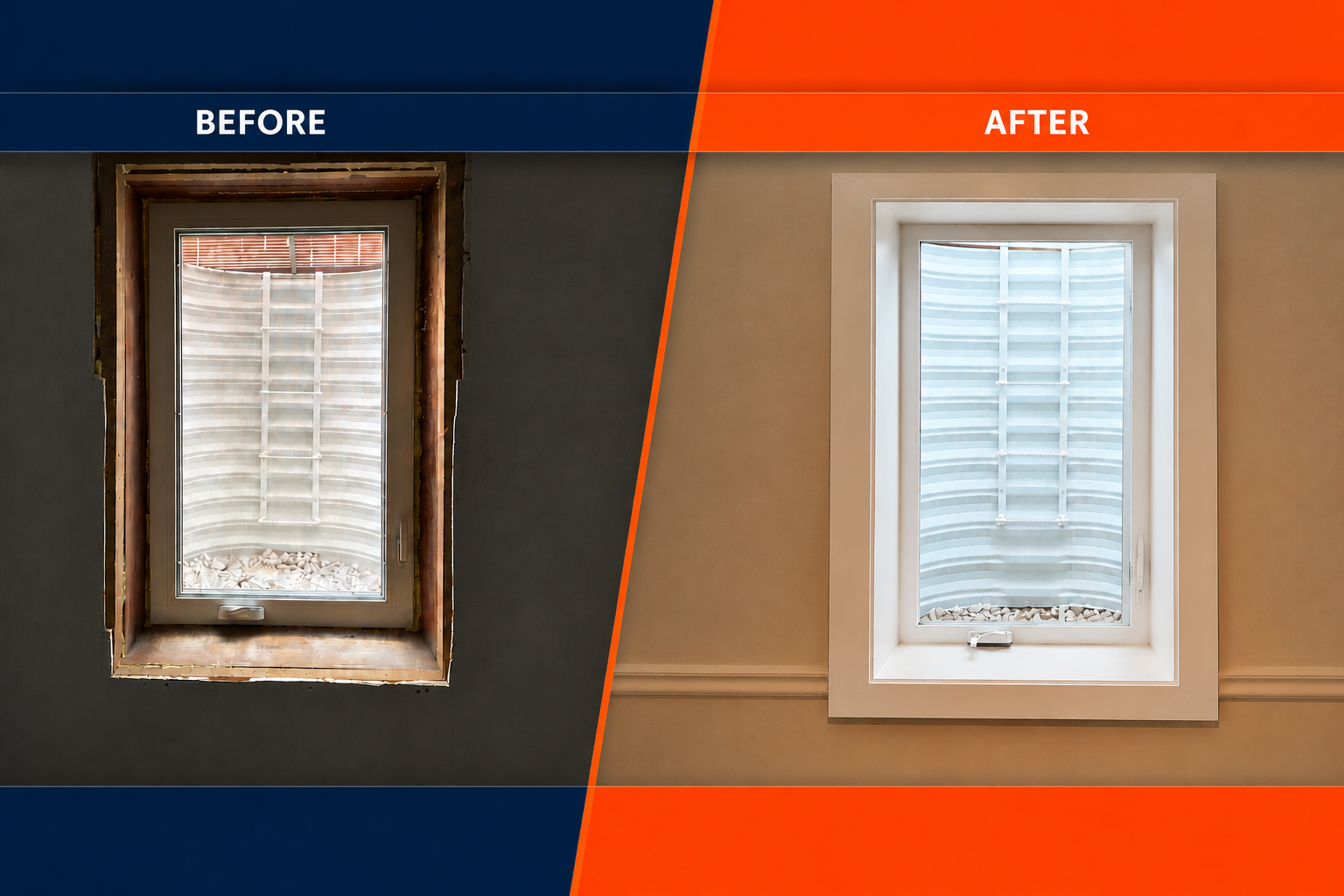
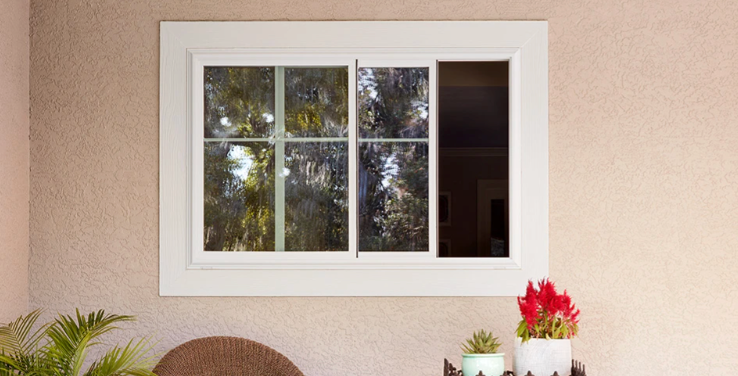
Full-frame window replacement in Aurora, CO removes the entire window down to the studs, including the frame, sash, and trim, then installs a brand-new unit. Most Aurora projects run $650 to $1,600 per window installed, depending on frame material, glass package, and size. Since January 2026, every replacement window sold in Colorado must meet ENERGY STAR Northern Climate Zone standards under House Bill 23-1161. Colorado Glass and Mirror installs altitude-rated, code-compliant windows backed by a 100% lifetime warranty.
If you have been putting off new windows in Aurora, 2026 is the year the conversation truly changed. Colorado passed a new energy law that reset what qualifies as a legal replacement window, and the federal window tax credit homeowners leaned on for years disappeared. Add in Aurora's hail seasons, thin high-altitude air, and 300 days of hard UV, and the advice on national websites no longer fits what happens at 5,280 feet.
At Colorado Glass and Mirror, our team has spent more than a decade working on homes across the Denver Metro area, and our full frame window replacement in Aurora service is built specifically for these local realities. Here is what full frame replacement really involves, what it costs in 2026, and the questions Aurora homeowners are asking us right now.
What Full Frame Window Replacement Really Means
Full frame window replacement removes the complete window assembly, including the frame, sash, jambs, sill, and interior and exterior trim, leaving only the rough opening in the wall. A new window is then set, flashed, insulated, and sealed into that opening. Insert replacement, by contrast, keeps the existing frame and slides a smaller unit inside it.
Think of it as the difference between rebuilding and refitting. A pocket insert nests inside the old frame, so it only works when that frame is solid and square. Full-frame replacement strips everything back to the framing, so the opening can be inspected, repaired, and resealed from scratch. In older Aurora homes, that difference matters more than most homeowners expect.
Why the Rough Opening Matters in Aurora
When our installers pull an old window out to the studs, they routinely find things a pocket insert would hide. Wind-driven rain from Front Range storms works behind failing seals, and temperature swings of 40 degrees in a single day fatigue old wood sills and warp vinyl frames. Once the opening is exposed, we can address water damage, add flashing, and re-insulate before the new unit goes in. That is the real value of going full frame on homes with original or storm-damaged windows.
Full Frame vs Insert Replacement: How to Choose
This is the single most common question we hear on Aurora estimates. Neither option is universally better. The right call depends on the condition of your existing frames, whether you want to change the window size or style, and how much long-term performance matters to you.
When Full Frame Replacement Is the Right Call
Full-frame replacement removes the entire window down to the studs, making it the stronger choice in several situations. Choose full frame when:
- Your frames are rotted, warped, or storm damaged and can no longer seal properly
- You want to change the size, shape, or style of the opening
- You want to maximize visible glass and let more light into the room
- You want the rough opening inspected and any hidden water damage repaired
The trade-offs are a higher upfront cost and a more involved installation with more finish work, since the trim and sometimes the siding have to be reworked.
When an Insert (Pocket) Replacement Makes Sense
Insert replacement fits a new unit inside your existing frame, so it is faster and less disruptive. Choose an insert when:
- Your existing frames are structurally sound and square
- You are happy with the current size and style of your windows
- You want a lower upfront cost and a quicker install
- You want to preserve existing interior and exterior trim
The main trade-off is a slight reduction in glass area, since the new window nests inside the old frame, and you cannot change the size or shape of the opening.
The short version: healthy frames point to an insert, while failing frames, storm damage, or a desire for more light point to full frame. Our estimators will tell you honestly which one your home needs, even when the smaller job is the right answer. If a storm cracked a pane and the frame is fine, we can also handle straightforward glass repair and emergency window services without a full replacement.
The 2026 Colorado Window Law Every Aurora Homeowner Should Know
As of January 1, 2026, Colorado House Bill 23-1161 requires that residential windows sold and installed on homes three stories and under meet ENERGY STAR Northern Climate Zone standards. This is a point-of-sale requirement enforced at the retailer and installer level, so the responsibility to supply compliant, altitude-appropriate windows falls on your contractor, not on you.
This is the biggest shift in Aurora window replacement in years, and most national guides have not caught up to it. The older single-pane and early double-pane units many homes still have no longer meet the standard. Replacement windows now have to hit a stronger insulation target, measured by a low U-factor, which describes how well a window holds heat in during our cold Front Range winters.
There is a local wrinkle a lot of contractors gloss over. Denver and Aurora sit above 5,000 feet, and altitude changes how insulated glass units behave. Sealed units built for sea level can bow or fail up here, so some altitude-rated windows are ordered without the usual argon gas fill and with a breather tube instead. When you request a quote, it is fair to ask whether the windows are ENERGY STAR compliant for Colorado's Northern climate zone and built for installation at altitude. Our team specifies that from the start.
What Happened to the Federal Window Tax Credit
The federal Energy Efficient Home Improvement Credit (Section 25C), which let homeowners claim up to $600 on qualifying ENERGY STAR windows, expired on December 31, 2025. Projects installed in 2026 and later no longer qualify for that federal credit. Homeowners should instead look to utility rebates, financing, and long-term energy savings, and consult a tax professional about any prior-year installs.
For years, window quotes across Aurora included a line about a $600 federal tax credit. That incentive is gone, moved up by the One Big Beautiful Bill Act signed in July 2025. If you are reading an older contractor quote that still promises this credit, those numbers are out of date.
The stronger financial case for new windows was never the one-time credit anyway. It is what efficient windows save every month afterward. Replacing tired single-pane or leaky units with modern, code-compliant glass reduces the load on your furnace and air conditioner year-round, and those savings compound over a lifespan measured in decades.
Window Installation Cost in Aurora: 2026 Pricing
Full frame window installation in the Denver Metro area typically costs $650 to $1,600 per window in 2026, with most Aurora homes landing in the middle of that range. Full-frame projects generally cost 20% to 30% more than pocket inserts due to the added labor, tear-out, and finishing work. Frame material and glass package are the biggest cost drivers.
Costs have crept up across the industry in 2026, driven by material prices, tariffs on glass and metal, and a tighter pool of skilled installers. Here are realistic installed ranges for common frame materials on a standard-size Aurora window. Specialty shapes, larger picture windows, and second-story work will sit above these figures.
- Vinyl: $650 to $1,050 per window. The budget-conscious, low-maintenance option.
- Composite: $900 to $1,400 per window. Added strength and stability through Colorado's temperature swings.
- Fiberglass: $1,000 to $1,600 per window. Long service life, expands at a rate close to glass, and performs well at altitude.
- Wood-clad: $1,200 to $2,200 or more per window. Interior warmth paired with a durable, low-maintenance exterior.
A few things drive where your project lands. A double-pane, Low-E, argon or altitude-adjusted glass package meets the 2026 code for most Aurora exposures, while triple-pane is worth the premium on north-facing walls or where noise reduction is a priority. Whole-home projects usually earn a better per-window price than replacing one or two windows at a time, since the crew only needs to mobilize once.
When you weigh quotes, check what is included. A professional window installation should cover permits where required, altitude-correct glass, full flashing and insulation, and haul-away. For a clear written breakdown for your home, our team provides free, detailed estimates for residential window replacement across Aurora and the Denver Metro area.
Signs Your Aurora Home Needs Full Frame Replacement
Not every window needs the full treatment, but some clearly do. Based on what we see across Aurora neighborhoods from Saddle Rock to Southlands, these signals point toward full frame replacement rather than a repair or insert:
- Condensation or fog trapped between the panes, which means the sealed unit has failed
- Wood sills or frames that feel soft, look stained, or show visible rot
- Drafts, cold spots, or rooms that never seem to hold temperature near the windows
- Frames warped or cracked after a hailstorm, or glass with micro-fractures from impact
- Windows painted or swollen shut, or sashes that will not stay open
- Original single-pane windows on a home that is 20 years old or more
If two or more of these sound familiar, a full frame approach lets us fix the root cause instead of covering it up. Our Aurora window and door replacement team can tell you on a free visit whether repair, insert, or full frame is the honest answer, and because our installers reach the rough opening, we catch the hidden water and insulation problems that shorten the life of any window installed over them.
Our Full Frame Window Installation Process
Homeowners want to know what happens once they say yes. Our full frame window installation follows the same careful sequence on every Aurora home, and most projects wrap in one to two days depending on the number of openings:
- Free in-home assessment. We measure every opening, inspect the existing frames, and confirm which windows need full frame versus insert.
- Product specification. We select ENERGY STAR Northern Zone-compliant, altitude-rated windows and the right glass package for each exposure.
- Tear-out to the studs. The old window, frame, and trim come out, and we inspect the rough opening for water damage or rot.
- Repair and flashing. Any damage is corrected, then the opening is properly flashed to keep Front Range weather out.
- Set, insulate, and seal. The new unit is leveled, anchored, insulated, and sealed for an airtight, energy-efficient fit.
- Trim and final walkthrough. We finish the interior and exterior trim, fully clean up, and walk the job with you.
Every installation is backed by our 100% lifetime warranty, the same commitment that shaped our reputation across the Denver Metro area. You can read more about the standard behind that promise in this Colorado Glass and Mirror press feature. We also install windows from trusted manufacturers built for demanding climates, including Milgard windows, so the products match the quality of the installation.
What Aurora Homeowners Are Choosing in 2026
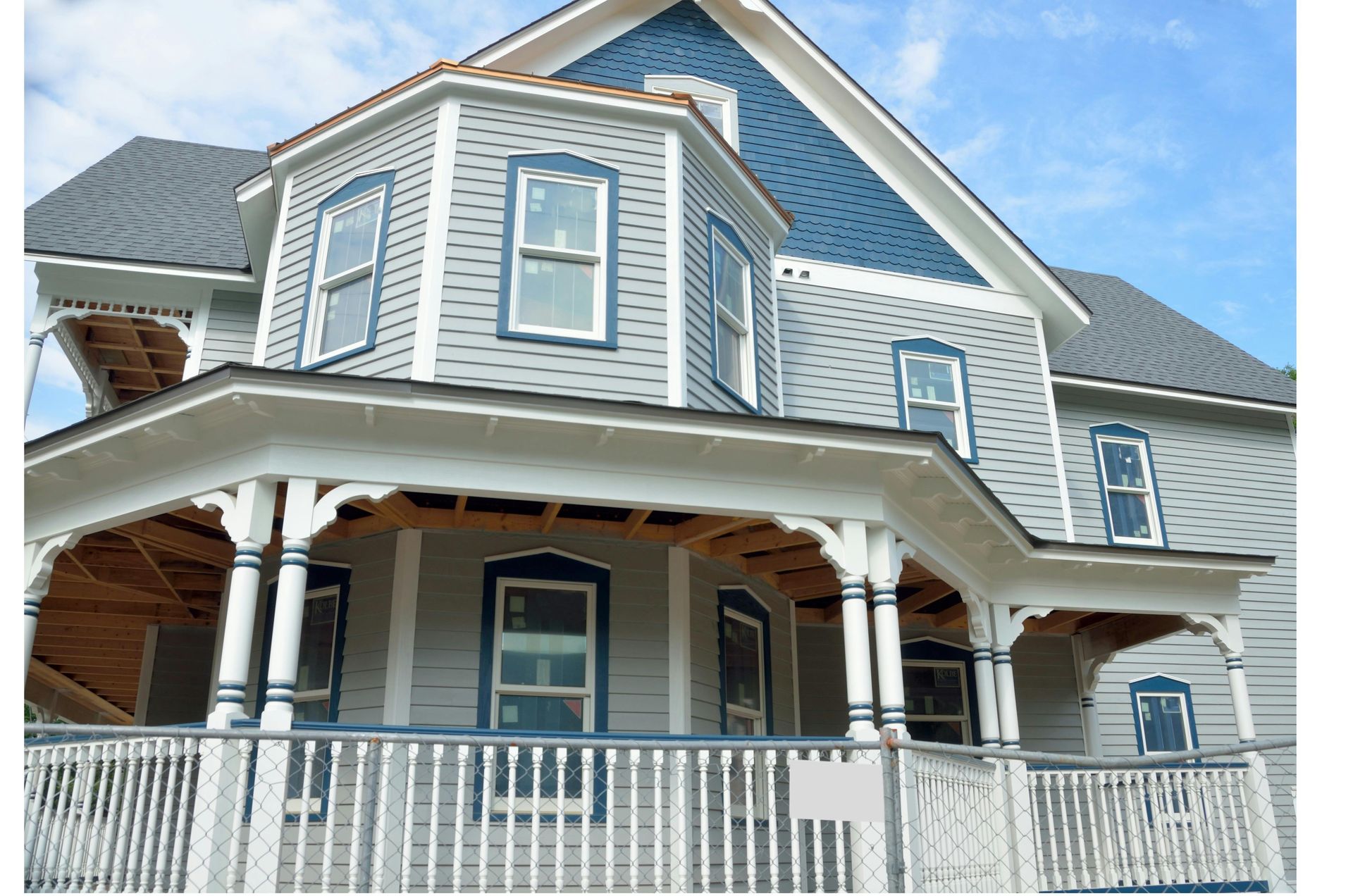
Beyond code and cost, the look of new windows has shifted this year, and full frame replacement is what makes these changes possible. Because it opens the entire rough opening, full frame gives you the freedom to change size, shape, and style in ways an insert cannot. Here is what we are installing most across Aurora right now:
- More glass, thinner frames. Homeowners want brighter rooms, so slim-profile fiberglass frames that maximize visible glass are in high demand.
- Bigger single units. Where framing allows, two older windows are being combined into one wide picture or slider for open, unobstructed views.
- Matte black and bronze exteriors. Bold, low-gloss frame colors have replaced plain white as the default, especially on remodels.
- Durable, low-maintenance materials. Fiberglass and composite are winning out over wood for their stability under Colorado's UV and temperature extremes.
None of these upgrades are possible with a pocket insert. If you have wanted more light or a more modern exterior, a full-frame project is the moment to make it happen while the wall is already open.
Aurora full-frame window replacement frequently asked questions
Glazier Content
About the author
Taylor Ann Hancock is the owner of Glass Mama Marketing, a digital marketing agency dedicated exclusively to glass and glazing companies. With years of hands-on experience working alongside contractors across the country, she specializes in helping glass businesses generate high-quality leads through SEO, Google Business Profile optimization, and AI-driven search strategies. Taylor is known for translating complex marketing tactics into real, measurable growth, helping companies build long-term visibility and predictable revenue in competitive markets like Colorado.

Denver Glass Insider